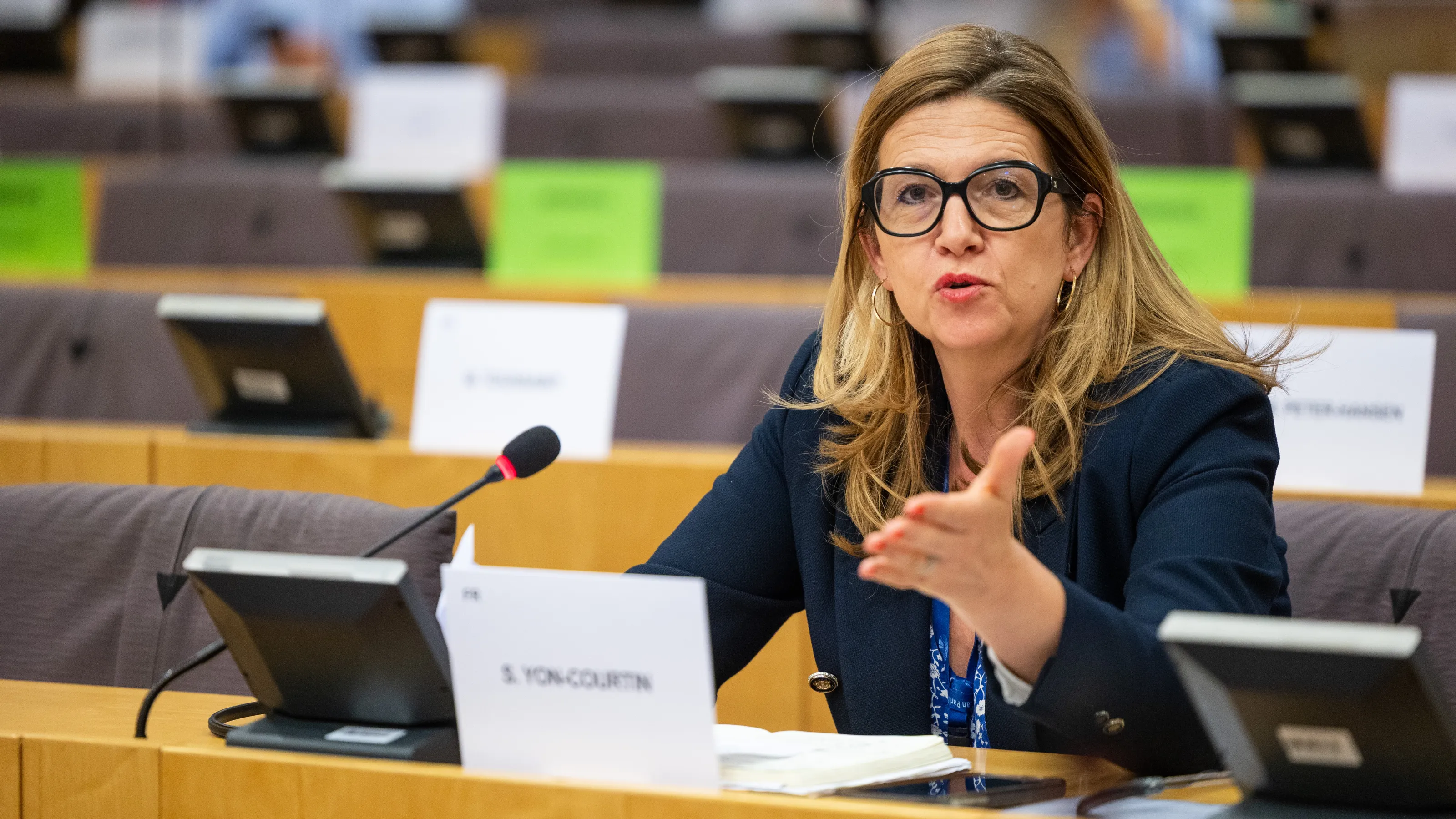
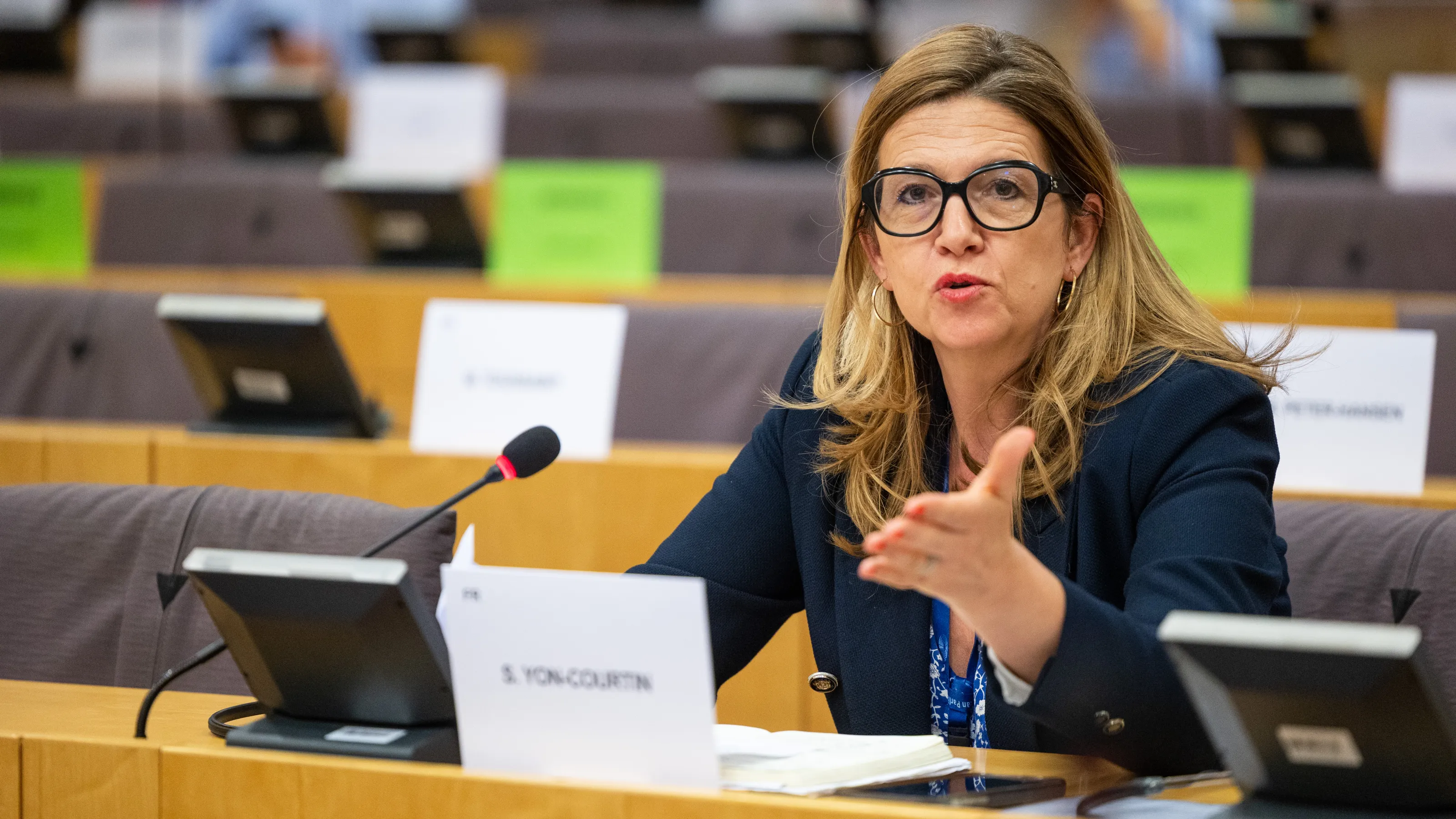
 Stéphanie Yon-Courtin
France refuses to give up: why Mercosur's 'ordeal' is not over yet
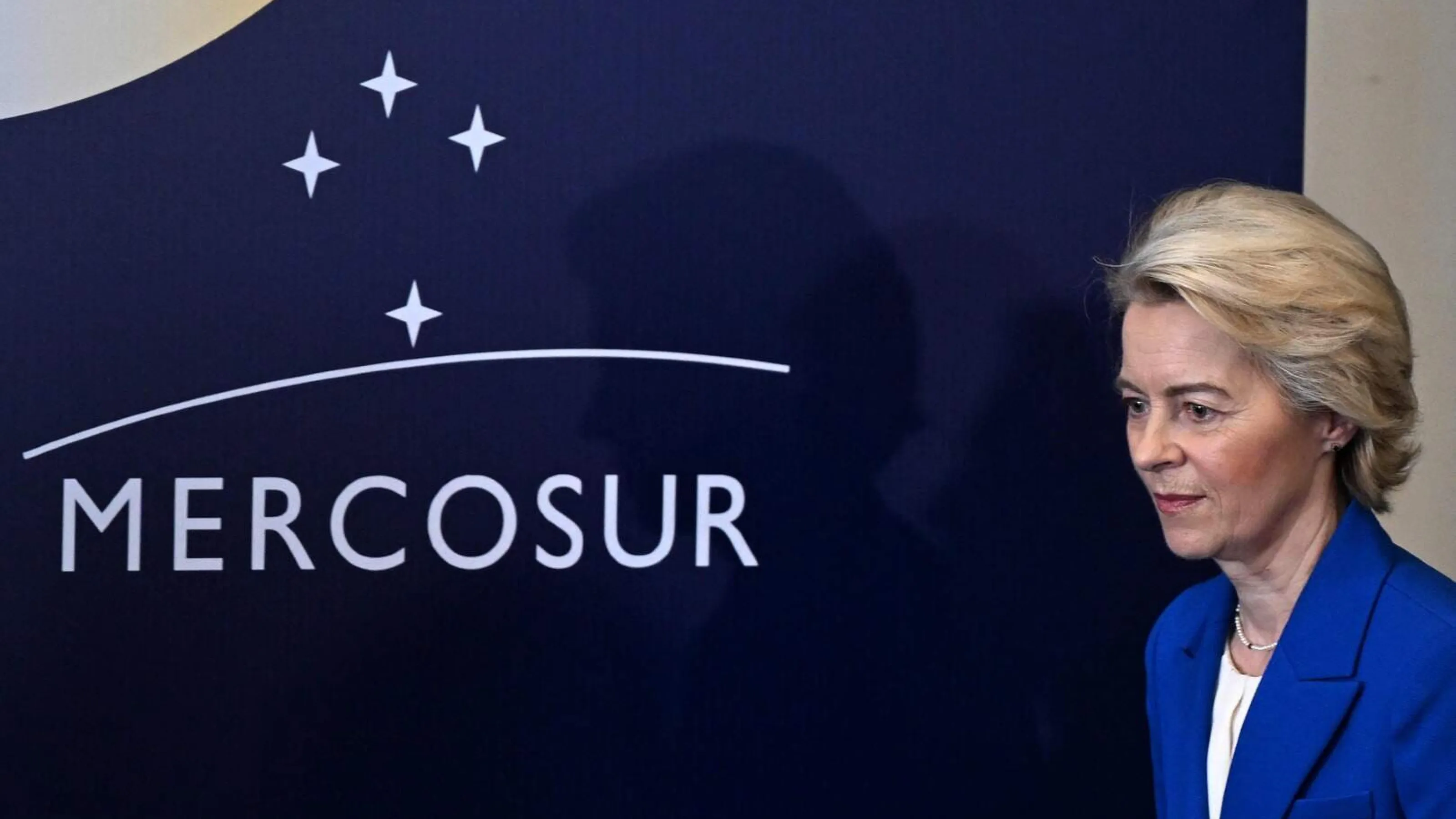
Ukraine, Greenland, the agonizing death of the transatlantic link... Amid an adverse geopolitical context, the EU needed some good news. And it comes from the bloc's main strength: trade. After a quarter of a century of tough negotiations, EU countries have given the green light to the free trade agreement with Mercosur. They do so with France, Hungary, Poland, Austria, and Ireland voting against it, and Belgium abstaining. But its implementation is not imminent, and Paris is already pulling strings to try to overturn it. "La France, c'est la France, " as former European Commission President Jean-Claude Juncker would say . The Europeans have endorsed, by a qualified majority (55% of countries representing at least 65% of the EU population), the trip by European Commission President Ursula von der Leyen and European Council leader Antonio Costa across the Atlantic to sign a pact that would create the world's largest free trade area, with a market of more than 700 million consumers. The ceremony will take place on January 17 in Uruguay. "The Commission firmly believes in the geostrategic importance of this agreement for Europe's global position. It will consolidate our commercial and political presence in Latin America and provide a platform based on rules and trust to facilitate the management of the current turbulent geopolitical landscape," said a community spokesperson. At a time of reconfiguration of traditional alliances and the rise of protectionism in the United States and China, Brussels' obsession is to reduce its dependence on the superpowers and diversify its markets. And it is with Mercosur that the EU is staking its global credibility and its image as a loyal and predictable partner vis-à-vis countries such as Brazil, whose patience was running out. The initial intention was to close the deal at the end of last year, but Italy's reluctance and doubts left it on hold for several weeks. To appease farmers, whose tractors have been roaring through European streets for months, Brussels argues that the agreement will provide a potential 50% increase in EU agri-food exports to the region. With the EU executive's nods to increasing safeguard clauses, reducing fertilizer prices, and advancing €45 billion for the Common Agricultural Policy (CAP) of the next Multiannual Financial Framework ( MFF), Giorgia Meloni—whose "yes" vote was decisive for the white smoke—has defeated France in its attempts to build a blocking minority in the Council. Emmanuel Macron, a staunch opponent of Mercosur, made it clear in the run-up to the vote in Coreper—which brings together the 27 European ambassadors—that France would oppose an agreement he described as " belonging to another era." From then on, Paris' media offensive continued to intensify. "The time has come to mobilize within each political group in the European Parliament to build a majority against this agreement," said French Prime Minister Sébastien Lecornu via X a few minutes before the vote. The document formalized in Brussels consists of two parts, the EU-Mercosur Association Agreement (EMPA) and the Interim Trade Agreement (ATI). The interim trade agreement does not require ratification by the member states, as it is the exclusive competence of the EU. It would therefore be applied provisionally until the ratification process is completed in the 27 Member States and the four Mercosur countries. Legally, it is feasible for the interim measures to be implemented without the approval of the European Parliament, but this would be a risky move for a Commission that is under heavy criticism and has very little parliamentary support. What now? The ball is now in the European Parliament's court, which is called upon to ratify the legal texts, first through an examination by the INTA committee and then in the European Parliament plenary. Before the December delay, it was estimated that the vote would take place in the March session. If it gets the green light from the co-legislators, Mercosur will be able to enter into force provisionally after ratification by at least one country in the Ibero-American bloc, according to European sources. For this reason, Macron's team, which has suffered a major defeat, is staking everything on trying to overturn the agreement in the European Parliament. "This is not the end of the story. For a trade agreement to enter into force definitively, it must not only have the support of the majority of Member States, but also be ratified by the European Parliament. However, the European Parliament is currently very divided. It will be decided by 10 or 15 votes out of more than 700 MEPs. So anyone who says that Mercosur will definitely be ratified is being very clever. We can still win this battle," said Pascal Canfin, MEP for Renaissance, on French radio station RTL. "We lost this first battle in the Council, but not the war. The ball is now in the European Parliament's court. We will have the final say," agreed his colleague Stéphanie Yon-Courtin on French television. The reconfiguration of forces left by the 2024 elections in the Hemicycle anticipates a heart-stopping vote. The presence of the far right, which makes national sovereignty and the defense of the countryside one of its banners, is stronger than ever before. For the radical left, this is "the worst agreement of all time," and internal divisions are expected to emerge among the other pro-European centrist forces. The European People's Party, the largest in the European Parliament, has announced that it will vote in favor, arguing that for Europe it will mean an increase in exports of €4.9 billion and the creation of 440,000 jobs. The Social Democrats have also publicly applauded it . For France, a matter of state With the country on a war footing in the streets, in intermittent political crisis and with a historical legacy of opposition to major free trade agreements—it was already a major critic of the free trade agreement with the United States (TTIP)— Mercosur has become a raison d'état for France. French opposition cuts across the entire parliamentary spectrum and the pressure is intense. Far-right leader Marine Le Pen has called on Macron to suspend the country's contribution to the EU budget. Her protégé, Jordan Bardella, has announced that his party, National Rally, will table two motions of censure: one against Von der Leyen in the European Parliament and another in the National Assembly, which will join the one announced by France Insoumise against the French government, which it accuses of "humiliation." Jean-Luc Mélenchon's party has simultaneously initiated another process to torpedo the pact through the courts. In addition to the ratification hurdle in Strasbourg, 145 MEPs intend to take the Mercosur agreement to the Court of Justice of the European Union (CJEU). If this legal review is approved, Mercosur's entry into force could be delayed for years. France's bitterness contrasts with the jubilation at the Berlaymont, the headquarters of the European Commission, and in countries such as Spain and Germany. Von der Leyen has celebrated the dawn of a "new era" for trade and cooperation. "It is also a testament to the strength and resilience of our relationship with Latin America," she added in a statement. For his part, Costa stressed that with this agreement, the EU is shaping the global economy; strengthening workers' rights, environmental protection, and safeguards for European farmers; and demonstrating that rules-based trade partnerships are beneficial for all. "A historic day for multilateralism" echoes through the corridors of Brussels and across the Atlantic, an often-used expression that is gaining momentum after the first major step towards an agreement that began to take shape during the final days of the 20th century. Ukraine, Greenland, the agonizing death of the transatlantic link... Amid an adverse geopolitical context, the EU needed some good news. And it comes from the bloc's main strength: trade. After a quarter of a century of tough negotiations, EU countries have given the green light to the free trade agreement with Mercosur. They do so with France, Hungary, Poland, Austria, and Ireland voting against it, and Belgium abstaining. But its implementation is not imminent, and Paris is already pulling strings to try to overturn it. "La France, c'est la France, " as the former president of the European Commission, Jean-Claude Juncker, would say .