 Stéphanie Yon-Courtin
European Parliament Divided Over 2026 Commission Work Program
Left- and right-wing parties in the European Parliament are offering diverging interpretations of the European Commission’s 2026 work program, particularly over the withdrawal of several tax files and the limited number of new tax initiatives.
The EP is currently preparing its response to the commission’s work plan, which includes only one new tax proposal and announces the withdrawal of multiple existing legislative files. According to parliamentary sources, political group coordinators — the designated leads in each committee — will meet November 4 in the subcommittee on tax matters (FISC) and the following day in the Committee on Economic and Monetary Affairs (ECON) to determine how to respond.
The commission’s work program, published October 21, confirmed that an “omnibus” tax proposal, amending several directives simultaneously, is planned for the second quarter of 2026. However, it also announced the withdrawal of some historic tax files, including those on addressing the debtequity bias (DEBRA), implementing enhanced cooperation for a financial transaction tax (FTT),
preventing the misuse of shell entities (Unshell), and creating a transfer pricing directive.
Keeping the FTT Alive Pasquale Tridico, chair of the FISC subcommittee and member of the Movimento 5 Stelle (The Left), sharply criticized the commission's direction. “The European Commission appears to prioritize deregulation over advancing tax justice,” Tridico told Tax Notes October 23. He called the approach “shortsighted,” recalling that Unshell was originally proposed after several tax scandals, including the Panama Papers. The FTT was proposed in response to the financial crisis of 2008. “While divisions within the Council of the EU persist on
matters of tax transparency, such disagreements must not serve as a pretext for inaction — especially at a time when the EU faces mounting challenges in securing adequate resources to fund cohesion and agricultural policies.”
Tridico also renewed his support for a digital services tax and urged the EP not to give up on the FTT. “To ensure the debate on the FTT is not abandoned, we urge the FISC committee to initiate an initiative report on the matter,” he said.
Bruno Gonçalves, the Progressive Alliance of Socialists and Democrats group's coordinator in FISC, struck a more measured tone. “While our political group regrets the withdrawal of Unshell and the FTT, in particular, we will await clarification about the reasoning and possible follow-ups,” he said
October 27.
Gonçalves noted that EU Tax Commissioner Wopke Hoekstra’s mission letter included a commitment to a coherent tax framework for the EU financial sector and said the group expects that commitment to be honored. “Simplification is welcome, as long as it does not compromise the fight against tax evasion, avoidance, and fraud,” he added. “We've had major tax scandals in the recent past, and the Omnibus agenda cannot be a vehicle for a return to those times. I hope the council comes to understand that harmonization is the best form of simplification and that retreating from achievements in this field would add complexity and reopen loopholes for aggressive tax planning.”
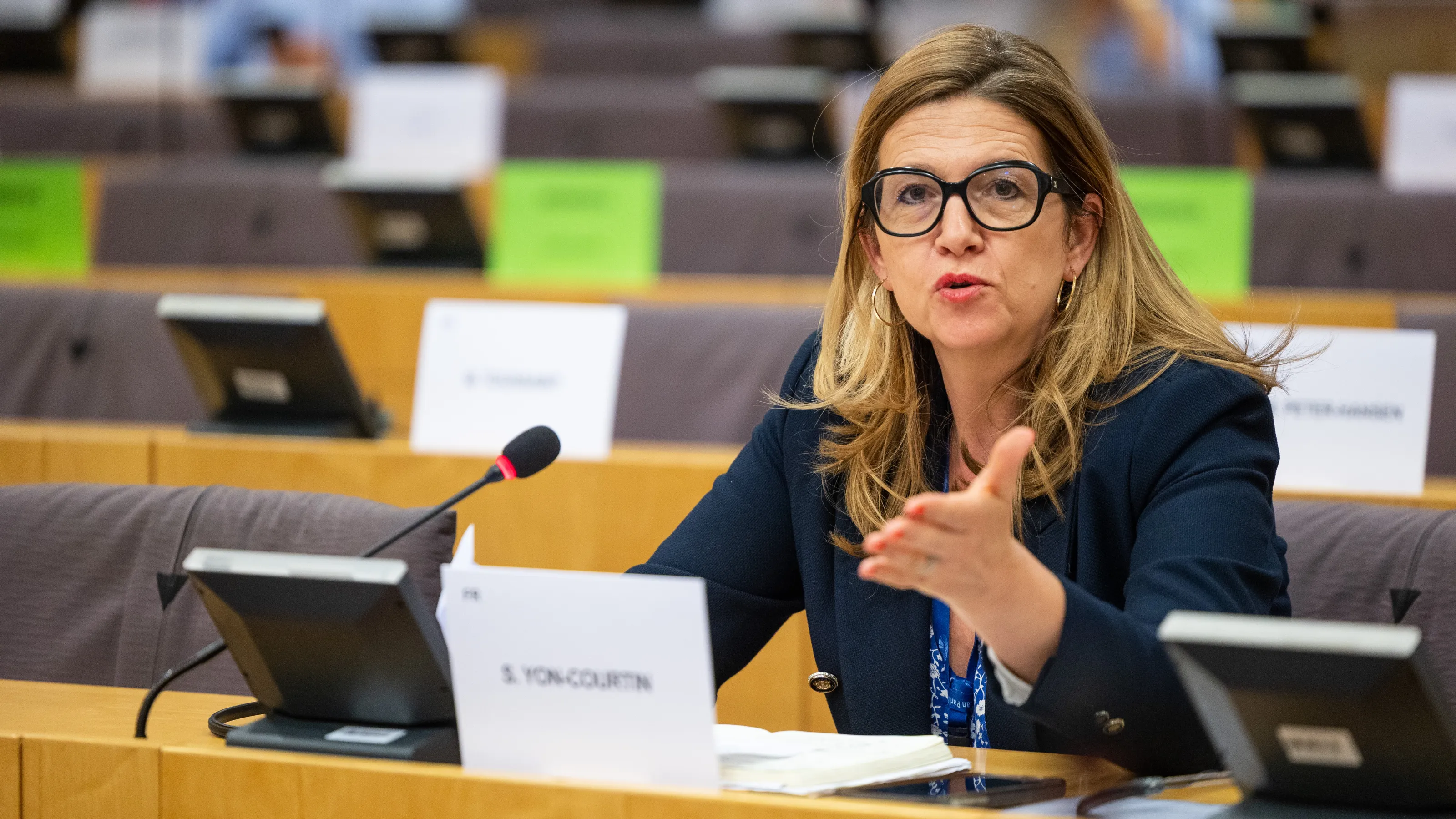
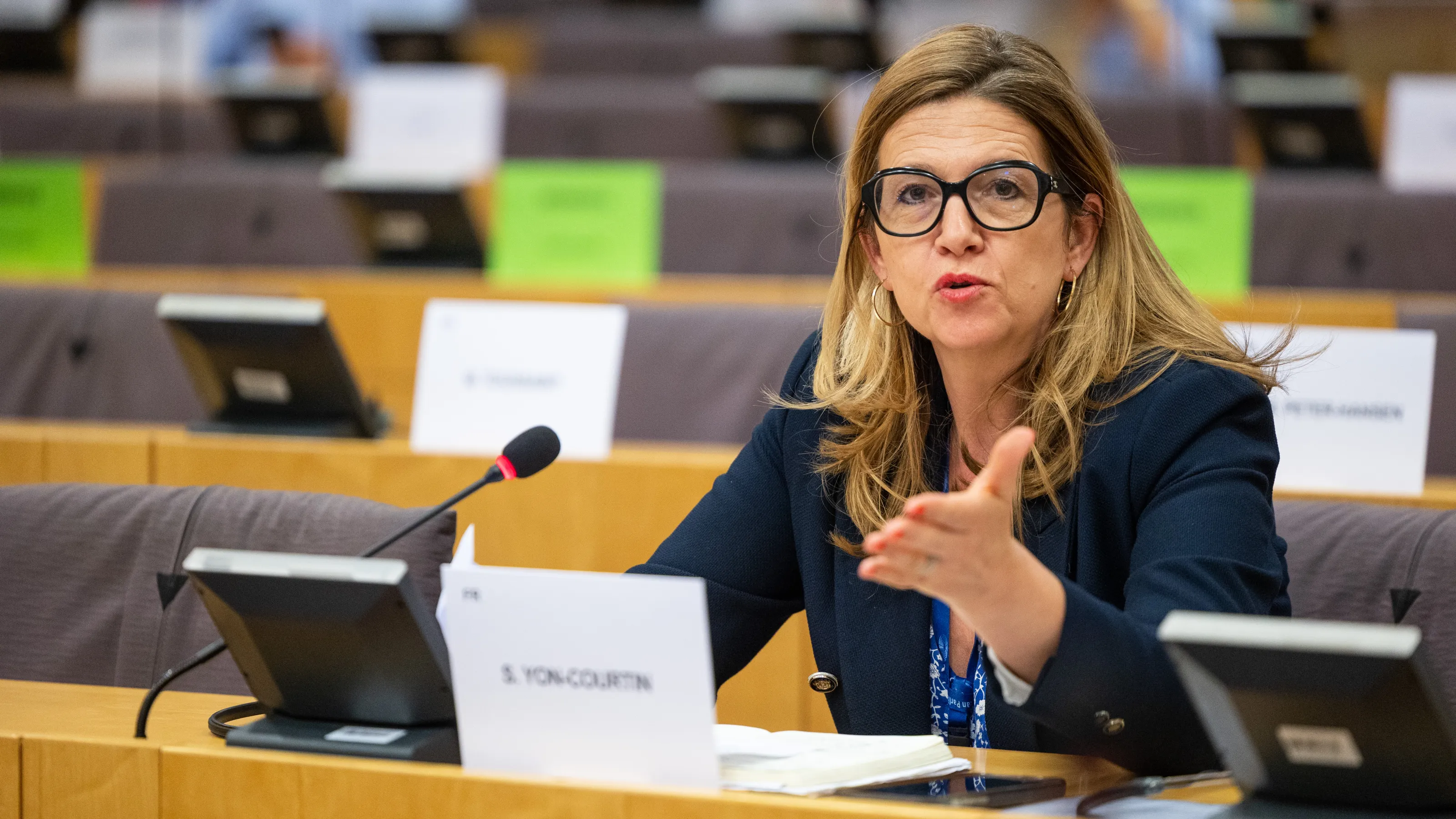
The European People’s Party (EPP) — the EP's largest group and the political home of Commission President Ursula von der Leyen — noted that no formal discussion has yet taken place in either FISC or ECON. Markus Ferber, the EPP’s coordinator in ECON, said he expects the views in the committee to be divided on whether it was sensible or not to withdraw those files. But he downplayed the impact of the withdrawals. “To be fair, all those files have been stuck in council for a long time and had very little chance of being finalized anyway,” he said. “Personally, I think the only one that would have delivered something tangible was the one on tackling the debt-equity bias as that is a real problem that makes equity financing less attractive.” Ferber's EPP colleague Aura Salla, who is a member of the industry committee, reacted in an October 23 Linkedin post, emphasizing the need for “a real digital tax, contributing to the EU budget, applying to third country companies entering and doing business in our market.” Stéphanie Yon-Courtin, Renew Europe coordinator for ECON, told Tax Notes October 27 that “withdrawal only makes sense if it leads to a better action plan for Europe's competitiveness and prosperity." She noted that the EU is facing major challenges linked to the geopolitical situation and the EU’s recovery plan and emphasized two key priorities for her group: “First, Europe needs its own resources: a battle our group has fought since the last mandate. Second, rising geopolitical tensions are putting the OECD’s work on taxing multinationals at risk, and Europe cannot remain a spectator in this — it must be ready to act if those talks fall through,” she said.
Several members of the EP told Tax Notes that the outcome of the November 4–5 coordinators' meetings could include an invitation to Hoekstra to justify the commission’s tax strategy before the FISC and ECON. However, Ferber noted that since all the withdrawn tax proposals were legislative, ECON — not FISC — is the lead committee under EP rules.